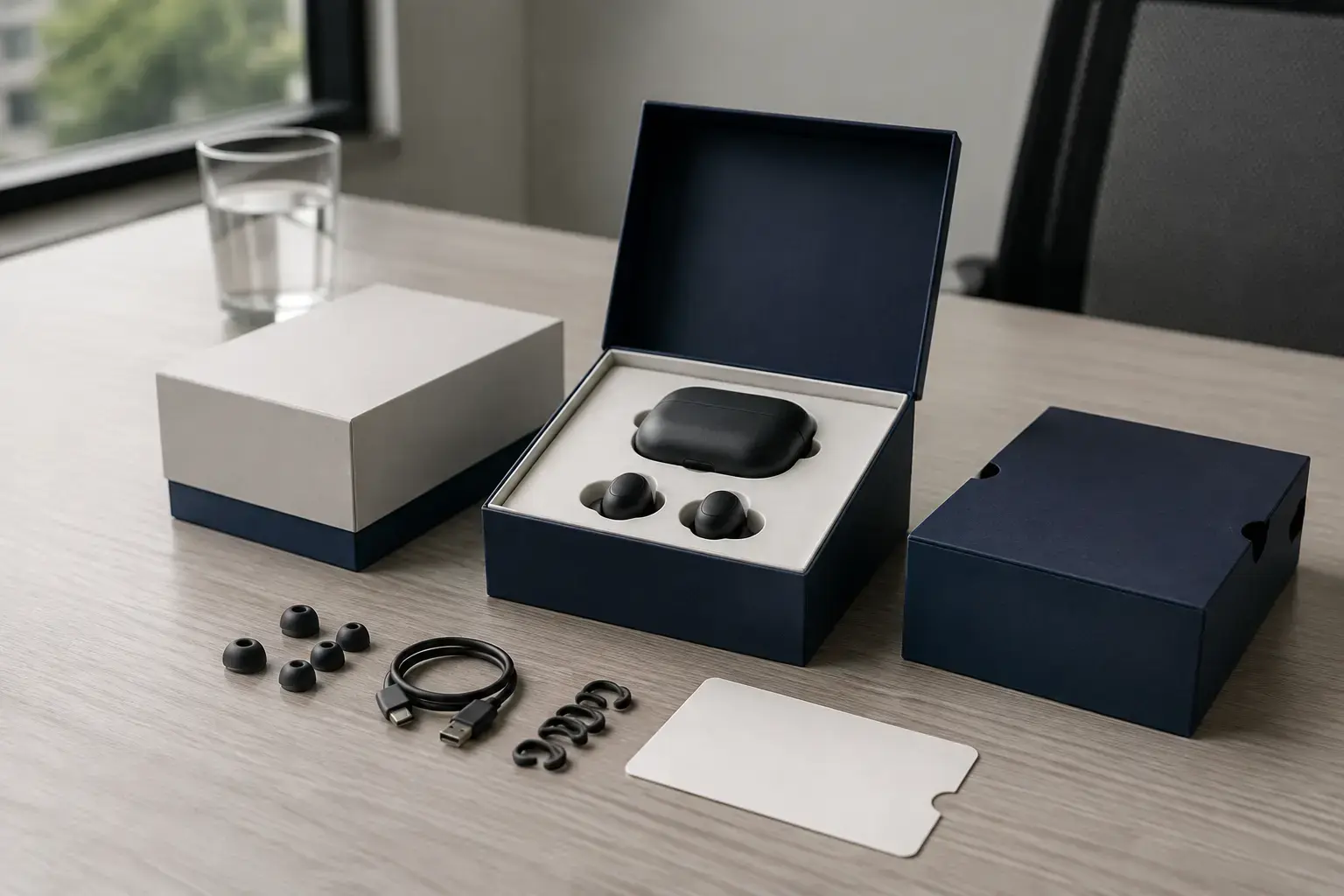
01Corporate Gifts
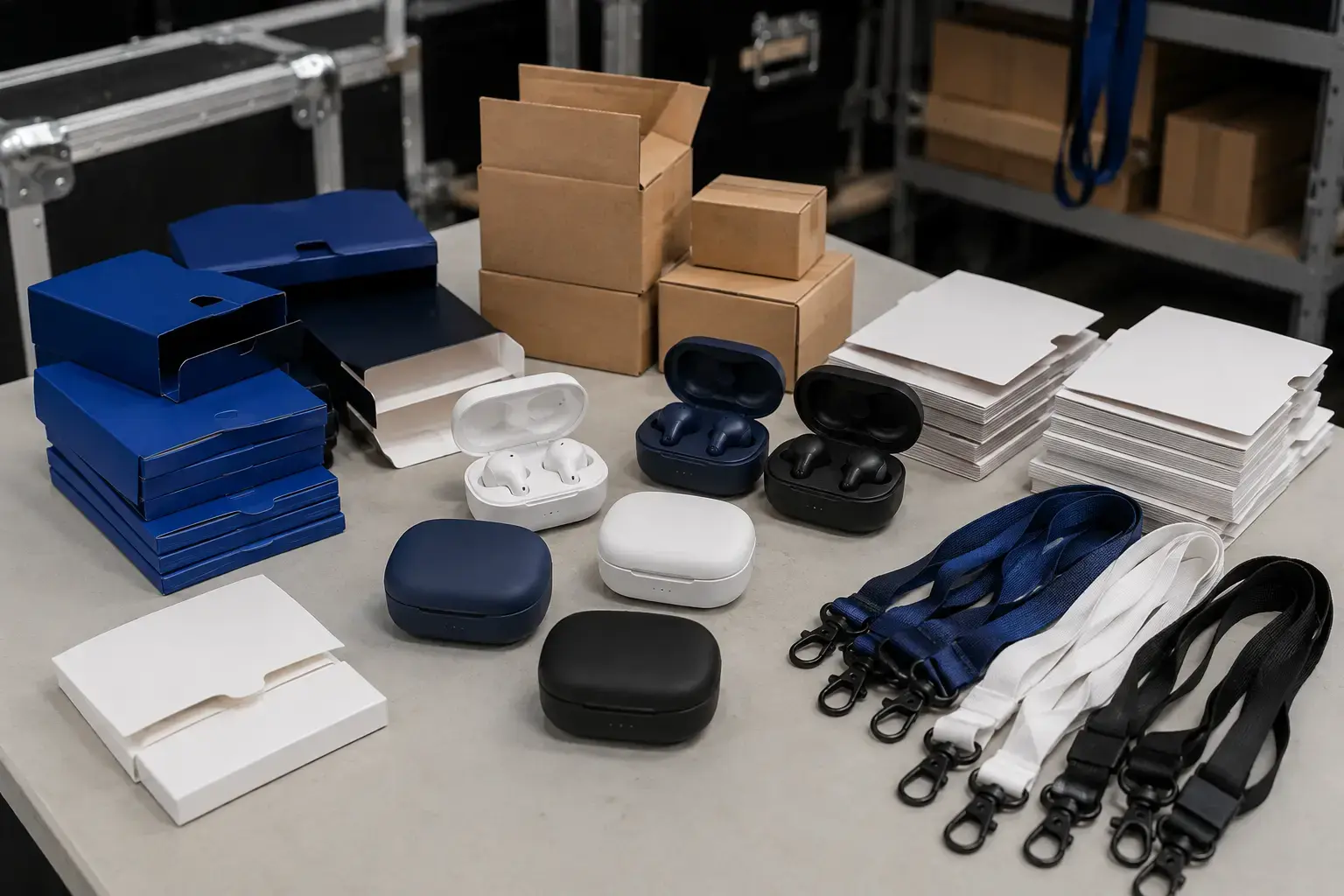
Match the product tier, brand treatment and presentation to the audience—then plan backward from the required in-hand date.
A successful project is more than a product choice. EarbudSource helps overseas buyers align the platform, customization, approval gates, validation plan and manufacturing route with the commercial program.
Corporate gifts may prioritize presentation and a fixed in-hand date. Promotional programs depend on campaign packout. Private-label and retail buyers may require approved specifications, market evidence and repeat supply. Defining the route first prevents unnecessary development and exposes the decisions that can change cost or timing.
Each route connects buyer priorities to concrete product, packaging, approval and production decisions.
01Match the product tier, brand treatment and presentation to the audience—then plan backward from the required in-hand date.
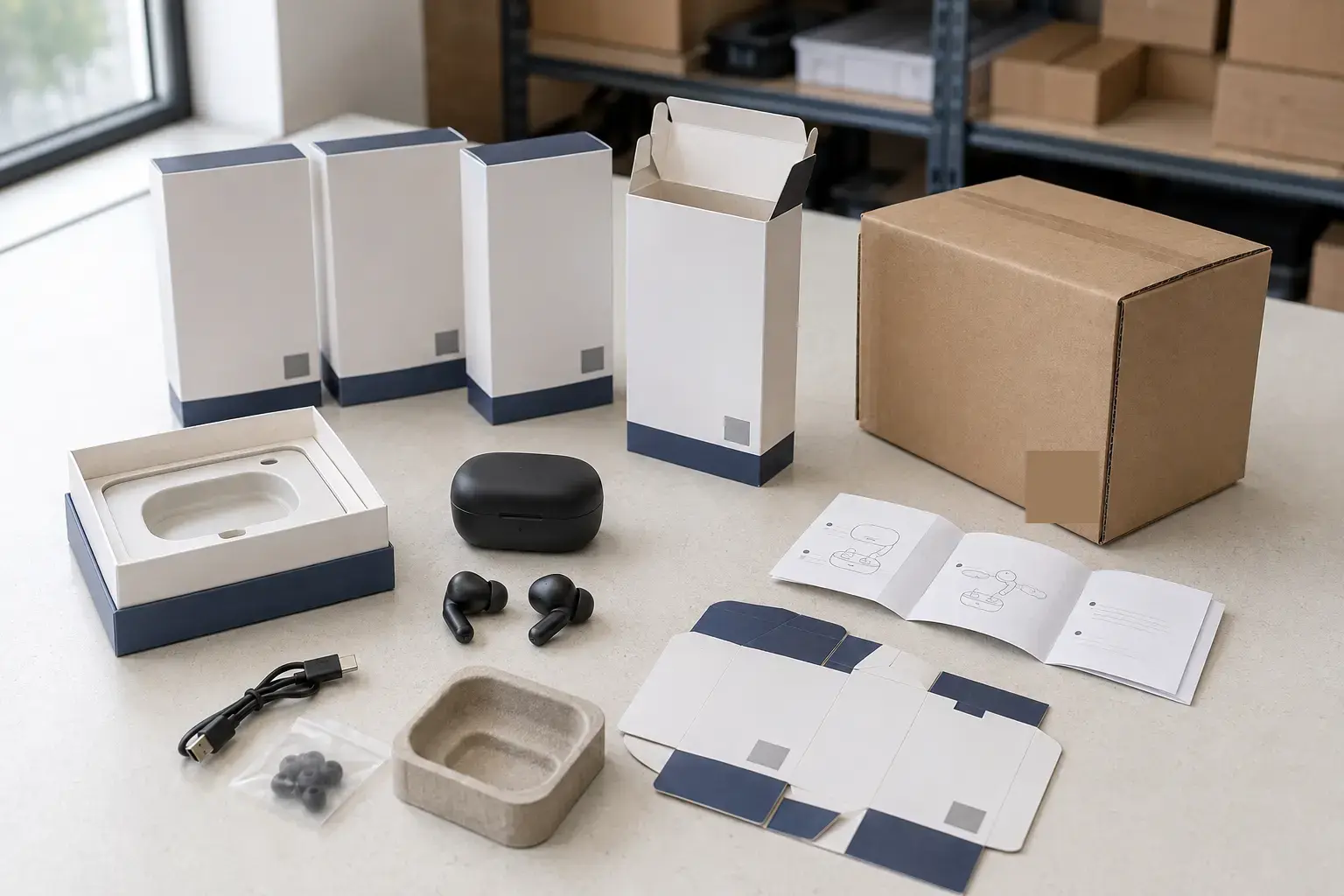
02Build a visible, distribution-ready branded set around the activation, venue and deadline instead of choosing a generic giveaway.
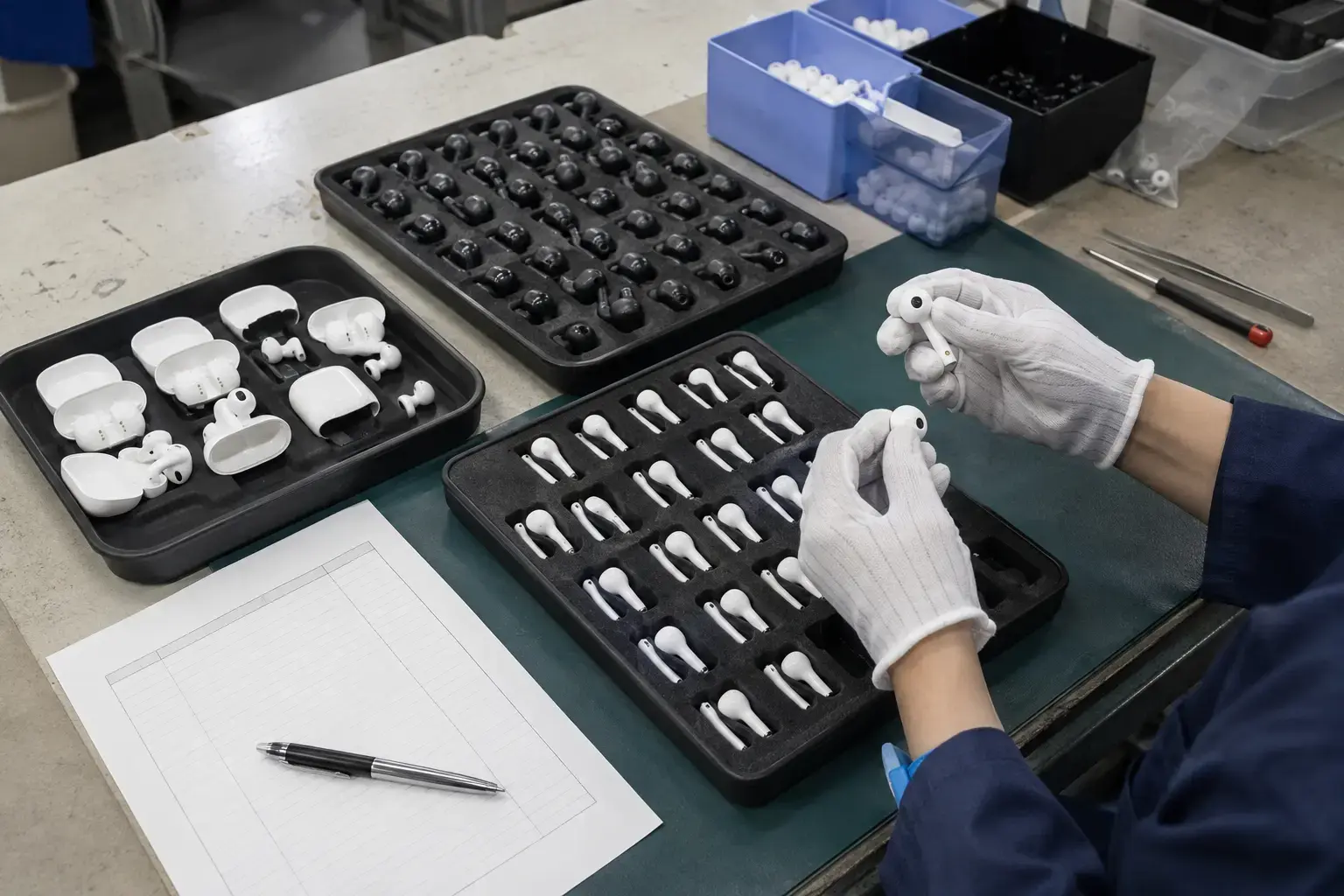
03Use a proven platform for speed or define deeper mechanical, firmware, acoustic and packaging work when the channel requires it.
04Control the specification, packaging, destination-market evidence and supply assumptions needed for launch and replenishment.

EarbudSource coordinates model screening, product and packaging definition, sample approval, validation planning for the quoted product and production follow-up. The route depends on the shortlisted model, customization depth and destination market.
Commercial brief and required date
Shortlisted model and OEM / ODM route
Product, CMF, artwork, accessories and packaging
Approved sample and approved specification
Applicable checks and market evidence scope
Build readiness and production checkpoints
Inspection status, packing and release review
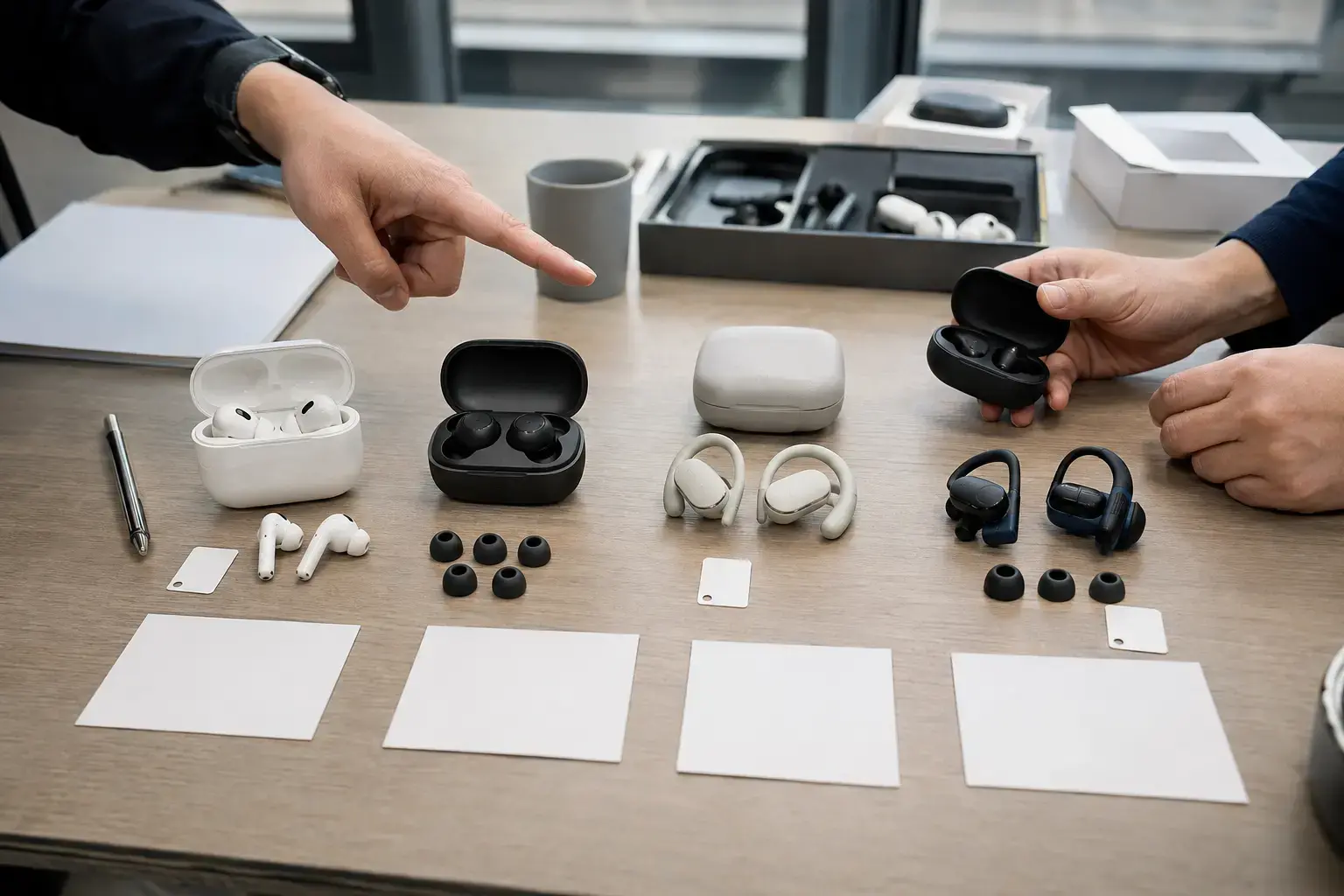
A useful shortlist explains why a model fits the sales channel, customization depth, schedule and destination market. MOQ, specification, pricing and lead time are confirmed after the model and project scope are reviewed.


Start with the commercial target, then separate must-have requirements from optional ideas. This lets the supplier identify what is available on an existing platform and what may require tooling, firmware, acoustic work or additional validation.
Unknown items can remain open, but the commercial target and approval owner should be clear.
Application, sales channel, estimated volume, target position and required date
Must-have functions, reference models and acceptable tradeoffs
Logo files, CMF direction, artwork variants, copy and accessories
Delivery countries, channel rules and expected evidence
Who approves the product, artwork, samples and approved specification
Forecast phases, repeat-order expectations and delivery priorities