Specification
Product architecture, functions, materials and customization depth

Evaluate China, Vietnam or a suitable dual-source route against specification, quantity, supply chain, timing, compliance and total landed cost.
We do not assign a factory location from a headline or a fixed tariff assumption. The product platform, bill of materials, engineering maturity, volume and destination requirements determine which route is practical.
Product architecture, functions, materials and customization depth
Forecast, ramp plan, repeat orders and economic production scale
Supplier location, qualification status, allocation and substitution risk
Development, tooling, material, pilot and shipping windows
Destination-market evidence, battery transport and labeling needs
Origin rules and buyer or channel requirements
Product, tooling, testing, logistics and current import conditions
Open each route to review fit, required inputs, control work and decision boundaries.
Often suited to rapid development, tooling access, mature component supply and flexible customization.
Review China route →Can support supply-chain diversification and selected established or higher-volume programs.
Review Vietnam route →Requires compatible product architecture, approved materials, documented transfer and enough demand to support two production routes.
Review dual-source planning →The approved specification, BOM, packaging configuration and inspection criteria form the working production baseline.
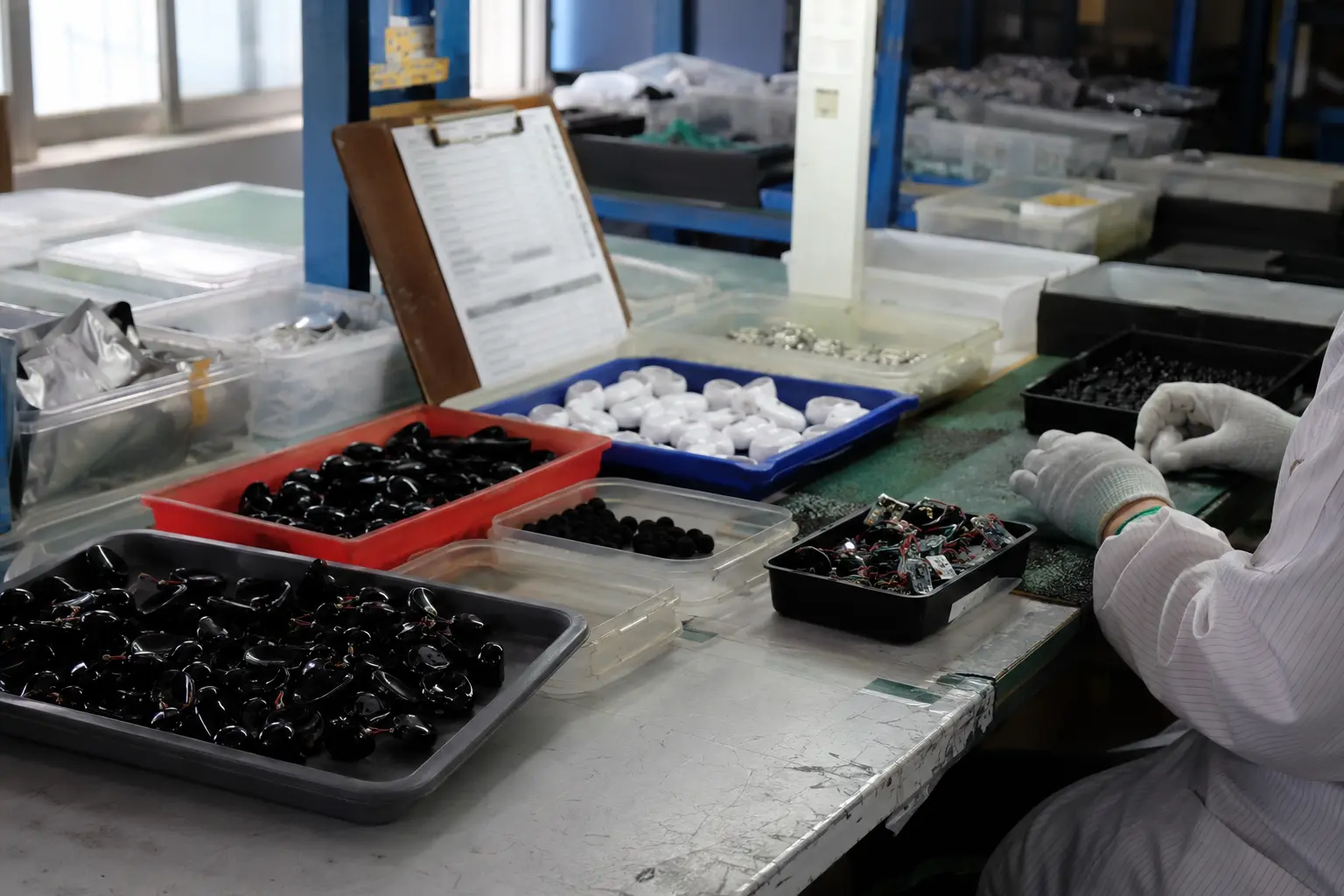
Separate and identify the released components before assembly.
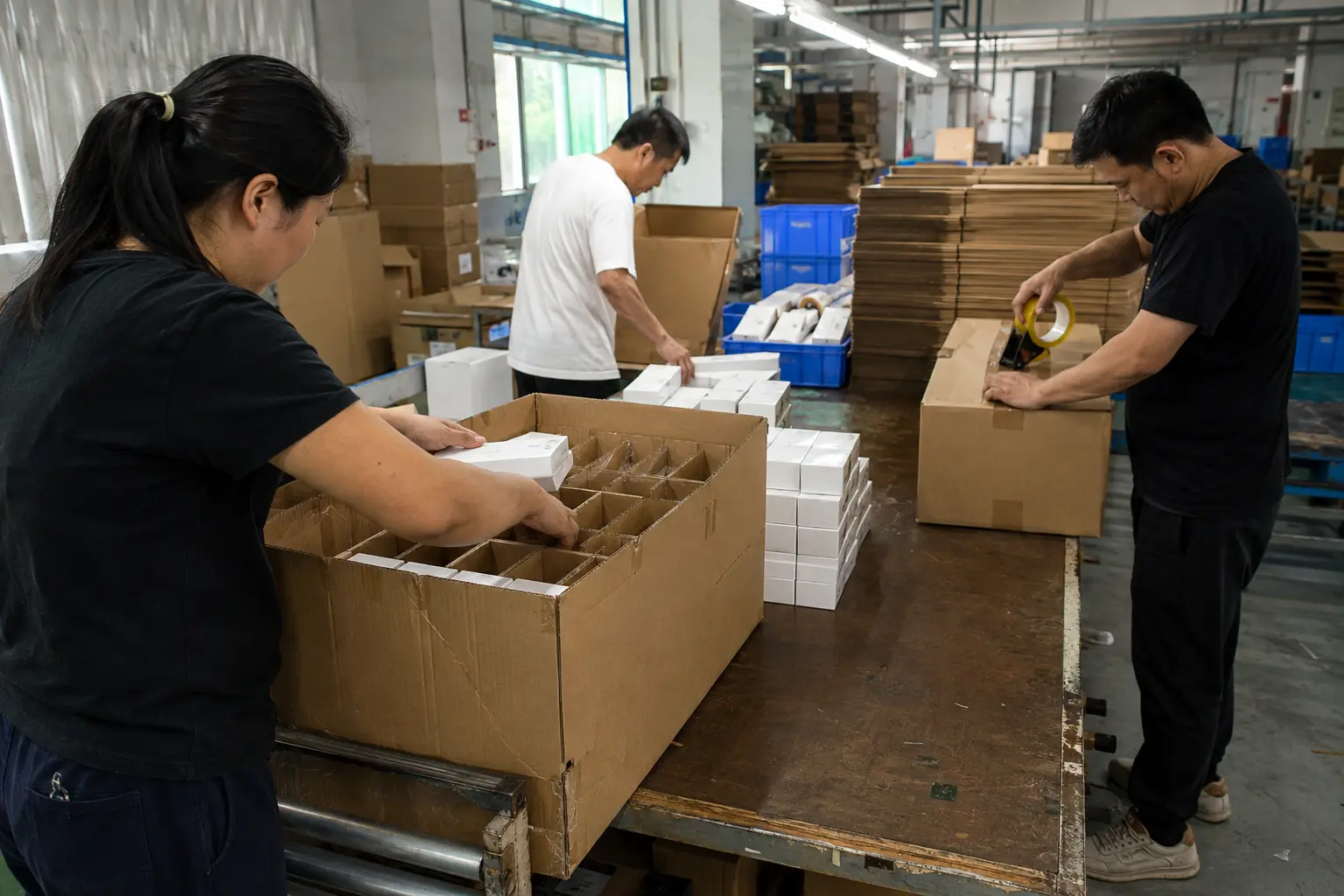
Verify carton configuration, quantities and protection against the packing approval.
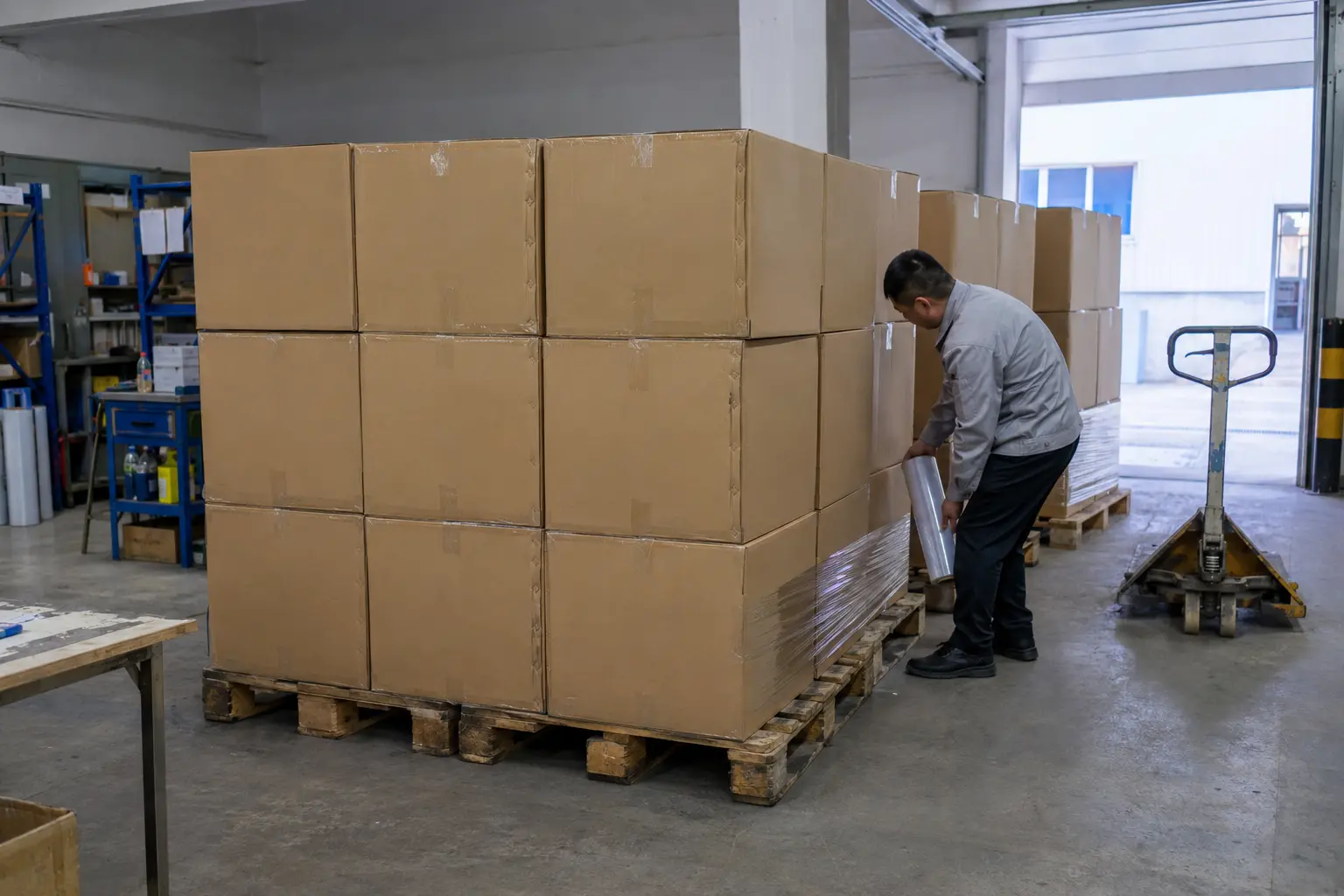
Release finished cartons only after the required inspection and shipping records are complete.
Workflow visuals support process discussion. Production location, equipment availability and project evidence are confirmed separately for the selected program.
The production baseline should match the approved sample, specification, packaging and inspection criteria.
A dual-source plan adds transfer, qualification, documentation, quality alignment and forecast requirements. It is considered when the business case supports the added control work.