Product freeze
Both routes need the same approved product definition or a documented difference matrix.

Dual source is a product-transfer and quality-alignment project—not a shortcut based on country names or a fixed tariff assumption.
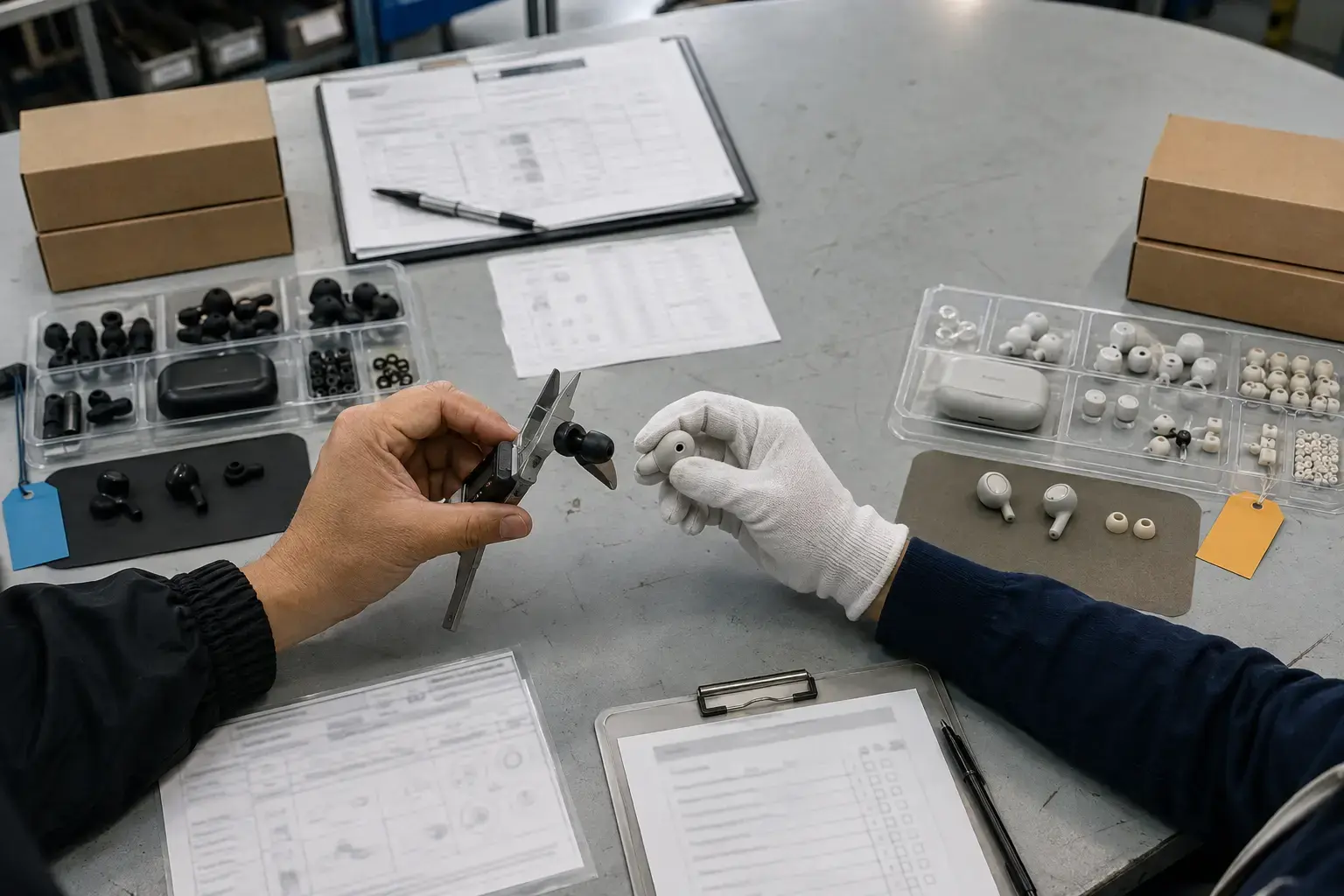
A second route is useful only when materials, samples, work instructions, test methods and change ownership can be kept aligned. The actual factories and origin status are confirmed after supplier and program review.
Request dual-source screeningA gap does not automatically stop the program, but it creates transfer work, timing and cost that must be planned.
Both routes need the same approved product definition or a documented difference matrix.
Critical components, alternates and supplier responsibilities must be identified and approved.
Assembly instructions, fixtures, firmware loading, tests and workmanship criteria must be transferable.
Samples, inspection methods, acceptance criteria and issue escalation need one governance plan.
BOM flow, labeling, records and shipping documents must support the intended origin route.
Forecast and repeat demand must justify duplicate setup, qualification and ongoing control.
Every gate should identify the approved baseline, open differences and responsible owner.